Blog / Town guides
Aspen and Snowmass for First-Time Visitors

Aspen is one of the best-known mountain towns in the country, and for a first-time visitor the area can look complicated: two towns, four ski mountains and a long valley road connecting them. Once you see how the pieces fit together, it is an easy place to plan a trip. Here is a simple guide to Aspen and Snowmass.
Four mountains, one area
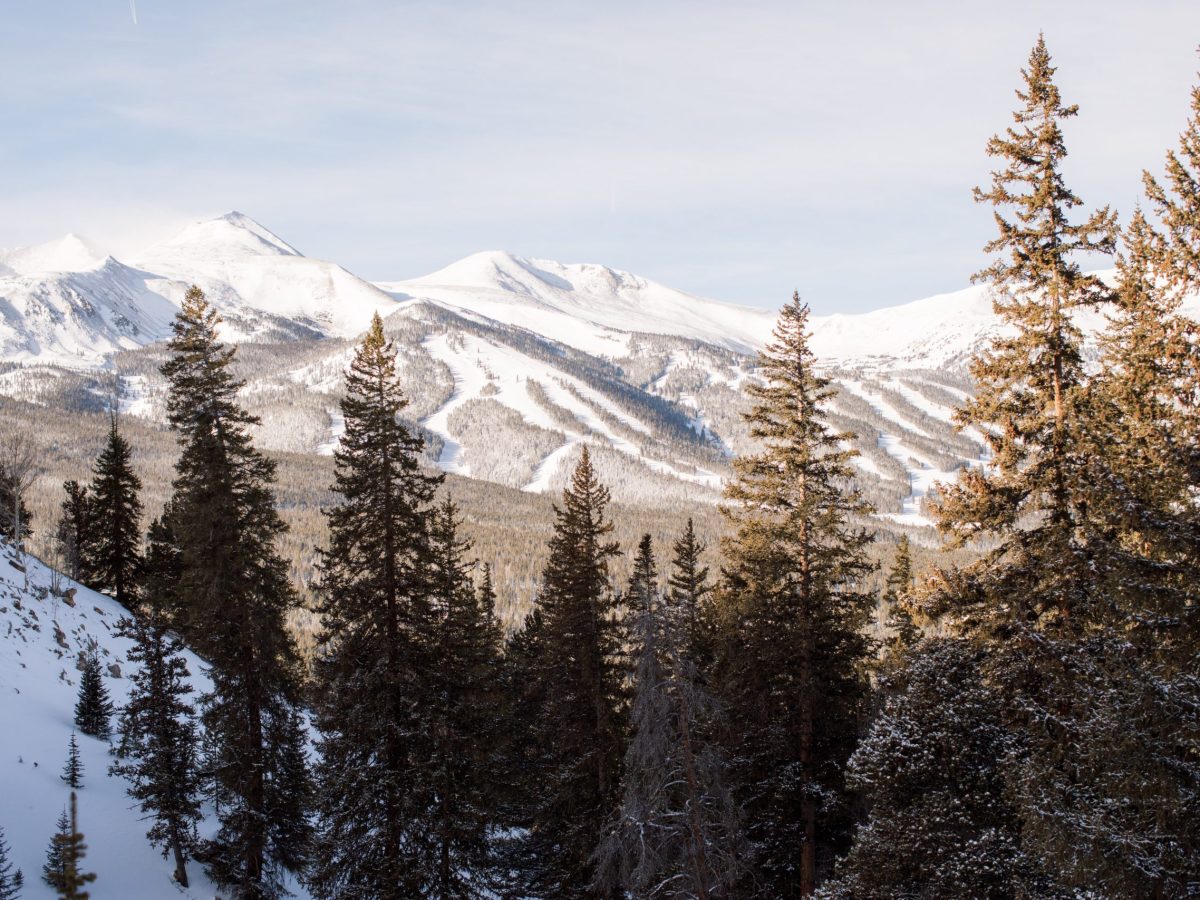
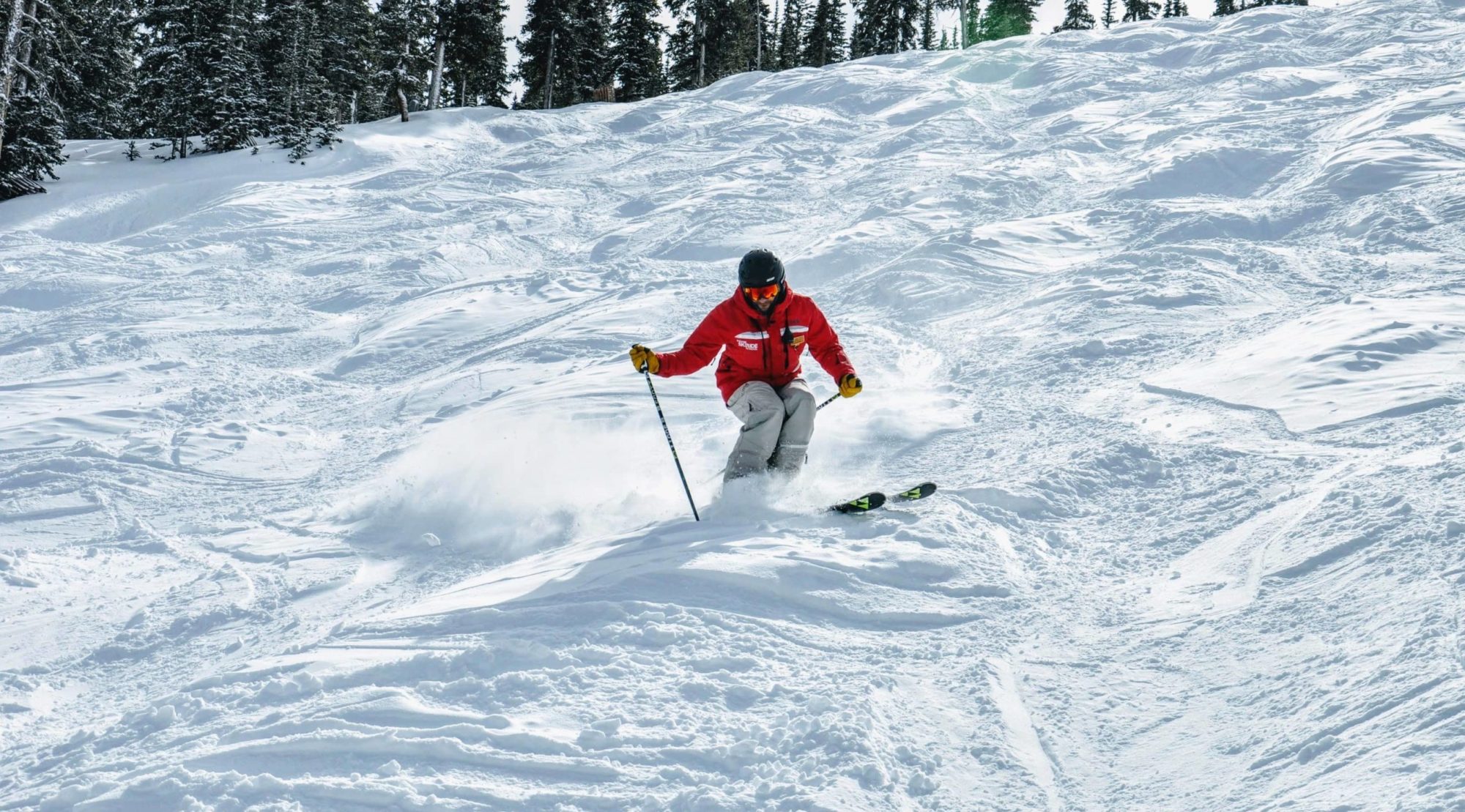
The ski area known as Aspen Snowmass is made up of four separate mountains, all on one lift ticket. Aspen Mountain rises right above downtown Aspen, and many skiers ride its gondola straight from the edge of town. Aspen Highlands, a few miles west, is known for steep terrain and the hike-to Highland Bowl. Buttermilk is the gentlest of the four and a favorite for beginners, lessons and families. Snowmass is the largest, with long cruising runs and plenty of terrain for every level.
You do not need to ski all four on a first trip. Many visitors pick one home mountain that suits their group and spend a day at another when they want a change.
Aspen or Snowmass: where to stay
Aspen sits at about 7,908 feet in the Roaring Fork Valley. It is a real town with a walkable grid of streets, historic brick buildings, restaurants, galleries and shops, and it stays lively in the evenings. Staying in Aspen puts you close to Aspen Mountain and a short ride from Highlands and Buttermilk.
Snowmass Village is a separate town about a 20-minute drive from Aspen, built around the Snowmass ski area at a little over 8,200 feet. Much of the lodging is ski-in, ski-out or close to it, and the village is spread along the mountain with Base Village and the Snowmass Mall as its two main hubs, linked by a short village gondola. Families often like Snowmass for the easy access to the slopes, while couples and groups who want dinner and nightlife on foot often choose Aspen.
Getting there and getting around
In winter, most drivers reach Aspen by taking Interstate 70 to Glenwood Springs and then following Highway 82 up the Roaring Fork Valley. The shorter route over Independence Pass on Highway 82 east of Aspen closes for the winter season, usually from late fall into late spring, so plan on the Glenwood Springs route from November on. Aspen also has its own airport just outside town.
Once you arrive, you may not need a car at all. The Roaring Fork Transportation Authority runs buses through the valley, and in ski season free shuttles connect the four mountains, so it is easy to stay in Aspen and ski Snowmass for the day or the other way around. Snowmass Village also runs its own free shuttles around the village. Parking at the base areas can be limited and costly, so the buses are often the simplest choice.
Things to do off the slopes
Aspen is a good town for an afternoon on foot: browse the shops and galleries downtown, stop for coffee, or ride the gondola up Aspen Mountain for the view. The famous Maroon Bells are just outside town. In winter the road to the Bells is closed to cars and becomes a popular route for snowshoeing and cross-country skiing, while in summer most visitors reach them by shuttle, with reservations required.
In summer, both towns turn into bases for hiking, mountain biking and music and arts events, and the valley's aspen groves turn gold in the fall.
Plan for the altitude
Both towns sit around 8,000 feet, and the ski terrain climbs well above 11,000 feet, much higher than where most visitors live. Take your first day easy, drink plenty of water, go light on alcohol the first night, wear sunscreen and get a good night's sleep. Talk to a doctor about any medical questions before your trip.
If you would like recreational oxygen during your stay, Peak Oxygen delivers in-home and portable oxygen concentrators to lodging in Aspen and Snowmass. It is for recreational use at altitude and no prescription is needed. Deliveries do not require you to be present. See our Aspen oxygen rentals and every town we deliver to, check prices and availability, or call us at (970) 368-9190.