Blog / Planning
Corporate retreats in Summit County: planning for guests from sea level
Summit County and the Vail Valley host hundreds of company meetings every winter, from a ten-person leadership offsite in a Breckenridge house to a two-thousand-person conference at Keystone. The appeal is obvious: skiing out the door, a village to walk at night and a setting that makes people put their phones down. The catch is the elevation. Your attendees will land in Denver at 5,280 feet and sleep that night somewhere between 8,100 and 9,700 feet, and the planners who get the best reviews are the ones who design the first two days around that fact.
Where groups meet
The Keystone Conference Center is the big one. Keystone describes it as the largest conference site in the Colorado Rockies, with more than 100,000 square feet of exhibit, function and meeting space, three ballrooms and fifty flexible meeting rooms, and it hosts groups from ten to two thousand. The Keystone Lodge & Spa next door adds its own ballroom and ten meeting rooms for mid-size groups, and Ski Tip Lodge and Keystone Ranch handle dinners for up to about 150.
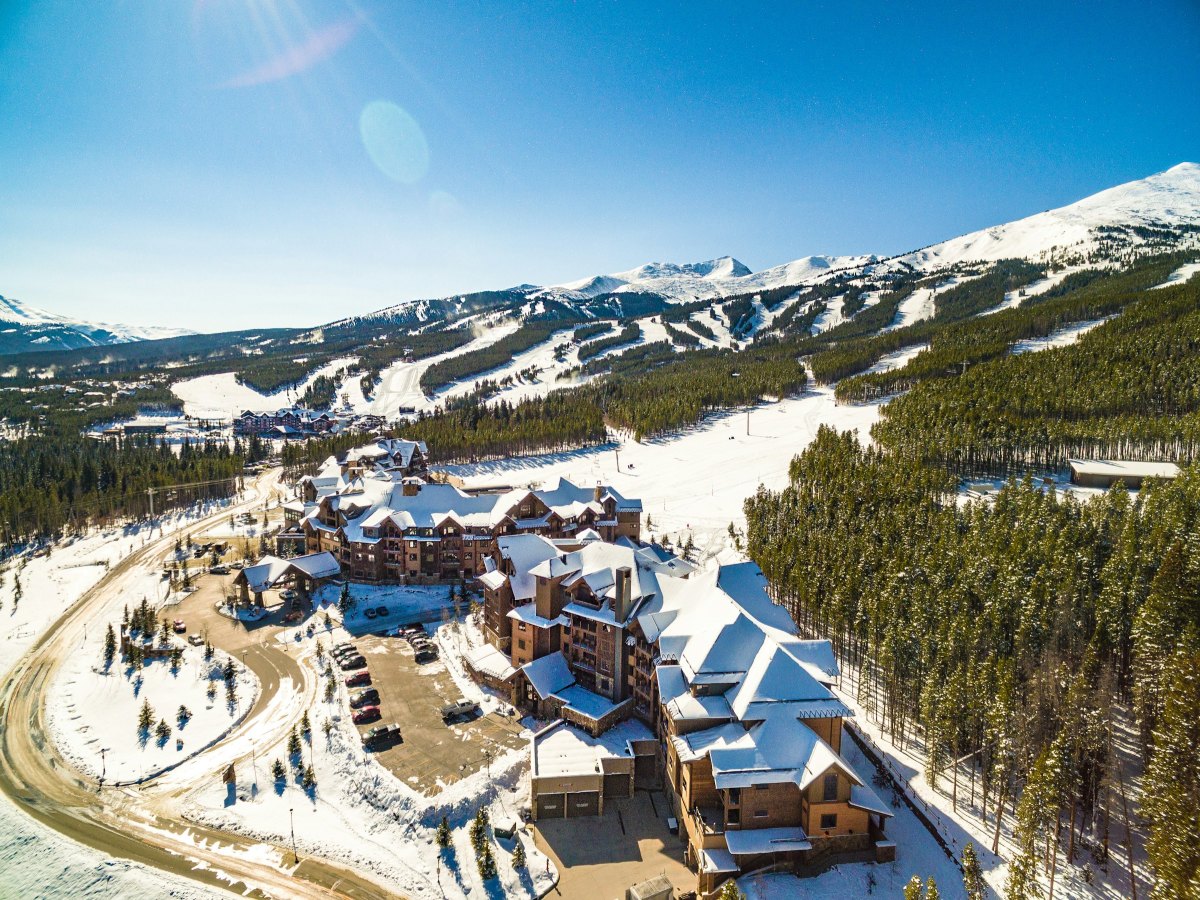
In Breckenridge, Beaver Run Resort & Conference Center at the base of Peak 9 is the largest meeting property in town, with roughly 40,000 square feet of function space and ski-in, ski-out lodging, and the Riverwalk Center seats several hundred for a keynote or an evening event. Copper Mountain has a year-round conference center of about 16,000 square feet in the village plus a much larger pavilion in summer. Vail and Beaver Creek work differently: the meeting space is spread across the resort hotels, several of which have ballrooms and boardrooms for a few dozen to a few hundred people, with the villages themselves doing the job of the breakout space. Figures like these shift as properties renovate, so confirm current room counts with the venue.
Getting everyone up the hill
Most groups fly into Denver International Airport and ride a chartered coach or shared shuttle up Interstate 70, which takes about two hours to Breckenridge, Keystone or Copper in normal conditions and closer to two and a half to Vail and Beaver Creek. Groups bound for the Vail Valley can also fly into Eagle County Regional Airport, about half an hour from Beaver Creek, and avoid the interstate altogether. Build slack into the travel day: winter storms close the Eisenhower Tunnel or Vail Pass a few times each season, and a coach that leaves Denver at 3 pm in a snowstorm will not make a 6 pm welcome dinner.
- Book one arrival window and one coach rather than a trickle of rental cars; parking in the villages is scarce and expensive.
- Put a hotel night in Denver in the plan for anyone arriving on a late flight, and let them ride up in the morning.
- Hand the transport company your attendee list with cell numbers; the driver, not the planner, is the one who needs it on the pass.
An agenda that respects the first 48 hours
The pattern we see from our side of the business is consistent. Attendees who arrive from sea level feel the altitude most on the first night and the second day: a headache at dinner, a poor night of sleep, a short fuse in the morning session. By the third day most people have settled. A retreat agenda that ignores this puts the hardest thinking, the biggest party and the strenuous team activity all in the first thirty-six hours, which is exactly backwards.
- Day one: travel, check-in, a light early dinner and an early night. No keynote, no open bar until late.
- Day two: working sessions in the morning, something gentle in the afternoon such as a village walk, a gondola ride or a short ski, dinner at a reasonable hour.
- Day three and beyond: the ski day, the snowmobile tour, the big dinner and the awards. People will enjoy them far more.
- Every day: water on every table, a hydration station outside the ballroom, lighter food at lunch and a quiet room where someone who feels rough can lie down.
Tell attendees what to expect before they travel. A short note about drinking water, going easy on alcohol the first night and talking to their own doctor about any medical questions saves a lot of awkward conversations later, and it puts the responsibility where it belongs.
Oxygen for the group
Peak Oxygen works with corporate groups in two ways. The first is the mobile oxygen bar, which we bring to the welcome reception, the conference floor or the awards dinner. Every bar comes with an oxygen bartender who runs it for the whole event, a choice of flavors, new tubing for each guest, a pulse oximeter at every station so people can check their own numbers, and LED-lit stations that tend to become the centerpiece of the room. You choose the venue, the number of stations and the hours; we set up, run it and pack out. It is a genuinely popular stop at a reception and a conversation starter in a room full of people who do not yet know each other.
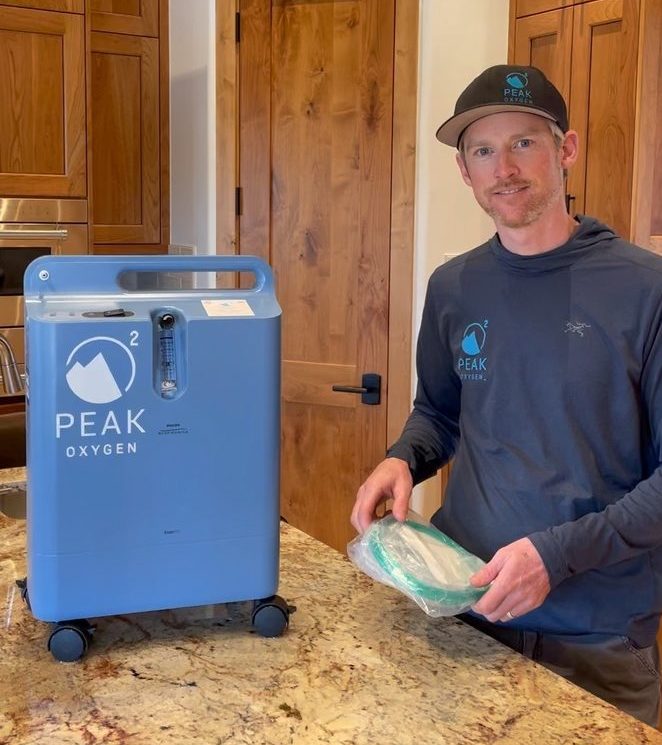
The second is in-home oxygen concentrators delivered to attendees' rooms. A concentrator plugs into a wall outlet, runs all night and delivers oxygen through a soft nasal cannula, and it is the piece that most consistently earns the thank-you emails after a retreat, because it is about sleep. For a group we deliver to one lodging property on one day, place a unit in each reserved room before guests arrive, and collect everything on checkout day, so nobody has to be present. Executives and board members who have struggled on previous trips often ask for one by name. Portable units are available for the group hike or the snowmobile tour, and extra cannulas let two people share a machine.
A few things to know when you build this into a retreat budget: the concentrators are for recreational use at altitude, no prescription is needed and we do not bill insurance; machines are limited in each town, so a block of twenty or fifty should be reserved as soon as the room block is; and every event is quoted for its venue, number of stations and hours, so the quickest path is the request form on the mobile oxygen bar page or a call to (970) 368-9190 with the date, the town and a rough head count.
A planner's checklist
- Confirm the venue's current meeting capacities and audio-visual setup in writing.
- Charter the coach, pad the travel day and plan for a storm.
- Front-load the gentle sessions; save the ski day and the party for day three.
- Pre-brief attendees on water, alcohol and talking to their doctor.
- Reserve oxygen concentrators for the rooms and an oxygen bar for the reception when you reserve the room block.
- Pick a point of contact on site who can call a driver, a doctor or us if someone needs help.
Done well, a Summit County or Vail Valley retreat is the trip people talk about for years. The elevation is part of the magic. It just needs to be planned for, and that is what we do every day. Tell us about your event on the mobile oxygen bar page, see the in-home and portable units on the rentals page, or call or text (970) 368-9190.